Hey, I want to share something that happened to me recently about GIF Meaning in Text. I was chatting with a friend when I suddenly saw this term pop up, and honestly, I had no clue what it meant at first.
I kept wondering, “Am I missing something here?” It was a bit confusing, and I didn’t want to respond the wrong way.
So, I decided to look into GIF and figure out its meaning and context. After understanding it, I realized how important it is to know these terms to avoid awkward situations in conversations.
I handled it by learning the proper meaning and responding confidently, and now I feel ready whenever I see GIF again in chats or on social media.
Meaning & Definition
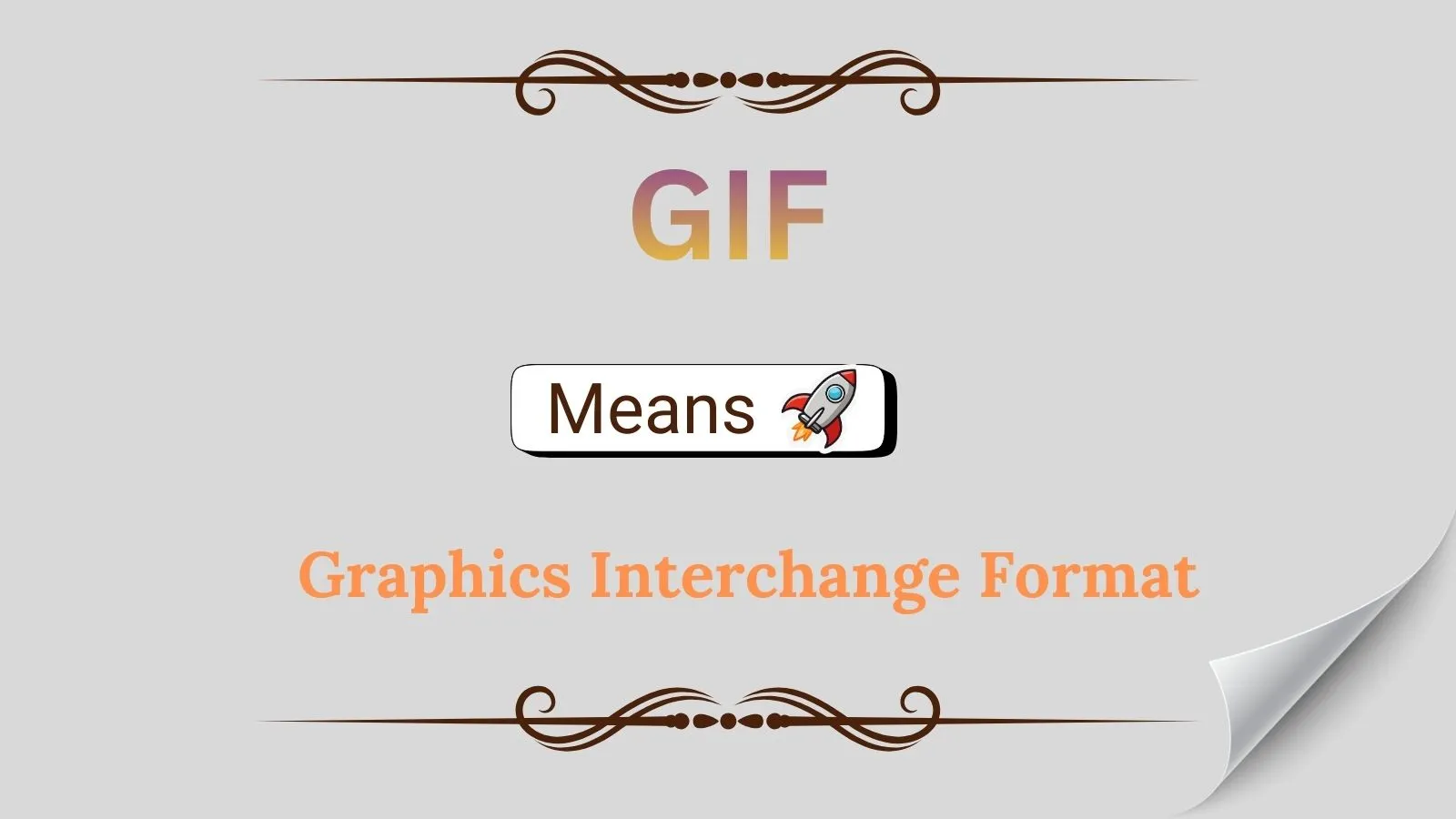
The GIF meaning in text refers to how a GIF (Graphics Interchange Format) functions as a form of expression within written communication.
Technically, a GIF is a short, looping animated image without sound. In text conversations, however, it acts as a visual replacement for words, emotions, or reactions.
When someone sends a GIF instead of typing a response, the GIF carries meaning based on context, facial expressions, body language, or cultural references.
A laughing GIF usually means amusement, while an eye-roll GIF can signal sarcasm or frustration. In this way, GIFs operate like emotional punctuation, adding tone that plain text often lacks.
Unlike emojis, GIFs are more detailed and situational. They often feature movie scenes, celebrities, or animated characters, allowing users to convey complex feelings instantly.
Therefore, the GIF meaning in text is not fixed—it depends on the situation, relationship between users, and shared cultural understanding.
Background
The GIF format was introduced in the late 1980s as a way to display images efficiently on early internet connections.
Originally designed for simple graphics and logos, GIFs later evolved into short animations.
As internet speed and social platforms improved, animated GIFs found a new purpose: storytelling through motion.
In the early 2010s, GIFs became mainstream in online forums, blogs, and social media platforms.
Their silent, looping nature made them perfect for quick reactions without interrupting scrolling experiences.
Over time, messaging apps integrated built-in GIF libraries, making them as accessible as emojis.
This shift transformed GIFs from a technical file format into a communication tool. Today, the GIF meaning in text reflects modern digital culture—fast, expressive, and visually driven. It represents how language adapts to technology and changing attention spans.
Usage in Different Contexts (Chat, Social Media, Professional Fields)
In casual chat, GIFs are primarily used to express emotions, reactions, or humor. Friends often use them to replace phrases like “I agree,” “That’s funny,” or “I’m shocked.” The GIF meaning in text here is informal and emotion-driven.
On social media, GIFs enhance engagement. They are used in comments, stories, and posts to grab attention and convey personality. Brands also use GIFs to appear relatable and modern.
In professional fields, GIF usage is more limited but growing. In relaxed workplace environments, GIFs may be used in internal chats to celebrate achievements or lighten the mood.
However, in formal communication, their meaning can be misunderstood, so context and company culture matter greatly.
Meaning in Chat, WhatsApp, Instagram, TikTok
The GIF meaning in text varies slightly across platforms:
- Chat & WhatsApp: GIFs often replace short replies and show emotions like excitement, sarcasm, or empathy.
- Instagram: GIFs are commonly used in stories and DMs to enhance visual storytelling or flirtation.
- TikTok: While primarily video-based, GIF-style reactions and comments reflect humor, trends, and shared cultural jokes.
Each platform influences how a GIF is interpreted, based on audience expectations and content style.
Meaning in Physics, Medical, and Aircraft Terminology
Outside casual texting, GIF has entirely different meanings. In physics, GIF may refer to specific graphical or imaging formats used in simulations.
In medical contexts, GIFs are sometimes used for instructional animations or visual diagnostics, not emotional expression.
In aircraft or technical documentation, GIF retains its original file-format meaning—used to display diagrams or sequences.
Here, the GIF meaning in text is purely functional, with no emotional or conversational implication.
Common Misconceptions
A common misconception is that GIFs always mean humor. In reality, they can express anger, boredom, support, or awkwardness.
Another misunderstanding is assuming GIFs are unprofessional in all settings, which depends heavily on context and audience.
Some also confuse GIFs with emojis or short videos, though each serves a distinct communication purpose.
Similar Terms & Alternatives
Similar alternatives to GIFs include emojis, stickers, memes, and short video clips. Emojis are simpler and universal, while memes often require cultural knowledge.
Stickers are stylized illustrations, and videos include sound and longer duration.
Each alternative overlaps with the GIF meaning in text but differs in depth and flexibility.
How to Respond to It
Responding to a GIF depends on tone. You can reply with another GIF to mirror emotion, use text to clarify intent, or combine both.
Matching the energy of the GIF often keeps the conversation flowing naturally.
Differences from Similar Words
Unlike emojis or memes, GIFs provide motion without sound and are usually looped.
This makes them more expressive than static images but less demanding than videos.
Relevance in Online Conversations & Dating Apps
In dating apps, the GIF meaning in text is especially important. GIFs help show humor, personality, and emotional intelligence.
A well-chosen GIF can break the ice, while a poorly chosen one can cause confusion. They add warmth and reduce the pressure of finding perfect words.
Conclusion:
Understanding the GIF meaning in text is essential in today’s digital communication landscape.
GIFs are more than animated images—they are a modern language that adds emotion, tone, and personality to conversations.
Their meaning shifts depending on context, platform, and relationship, making them powerful yet nuanced tools.
From casual chats and social media to professional environments and dating apps, GIFs help people connect faster and more expressively.
When used thoughtfully, they enhance clarity and engagement; when misunderstood, they can confuse.
As online communication continues to prioritize speed and visuals, mastering the use and interpretation of GIFs allows individuals to communicate more effectively and confidently in the digital world.

I’m Toni Morrison, author at GrammarsGuide.com, where I create clear, insightful, and meaningful writing content.
I use my understanding of language to make complex English rules resonate and come alive in everyday reading and writing.