If you’ve ever received a message with the abbreviation TTM, you might have paused for a moment and wondered what it means. This is why many people search for ttm meaning in text—they see it in a chat, comment, or caption and want to understand it quickly.
In today’s digital world, short abbreviations are everywhere. People prefer fast and simple communication, so they often shorten phrases into quick acronyms.
TTM is one of those common texting shortcuts used in casual online conversations. It appears in messaging apps, social media platforms, and even dating apps. While the abbreviation is simple, its meaning can depend on the context and the way someone uses it in a conversation.
Understanding these short forms helps avoid confusion and keeps conversations flowing smoothly.
In this guide, you’ll learn the ttm meaning in text, where it comes from, how people use it in different situations, and how you can respond to it naturally. Whether you saw it on WhatsApp, Instagram, or a dating app, this article explains everything in clear and simple terms.
What Does TTM Mean in Text?
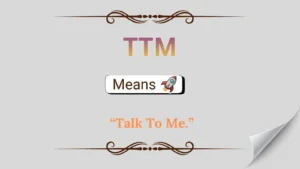
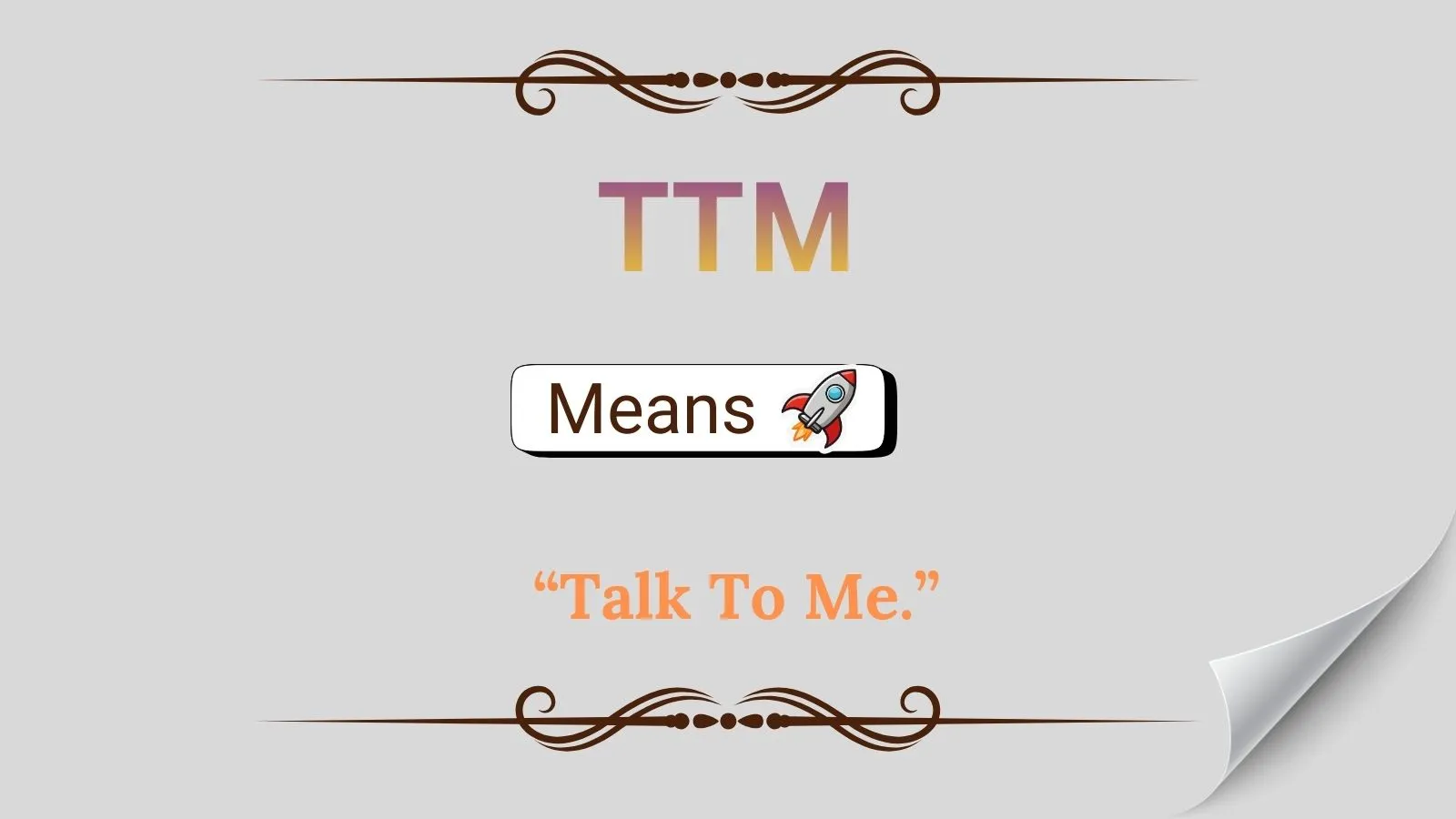
The most common ttm meaning in text is “Talk To Me.” It is a casual abbreviation used when someone wants to start or continue a conversation. Instead of typing the full phrase, people simply write TTM to keep their messages short and quick.
For example:
- “I’m bored tonight. TTM.”
- “If you want to know more, TTM.”
- “Got something interesting to share, TTM later.”
In these examples, the sender is inviting the other person to reply or start chatting. The phrase usually carries a friendly tone and sometimes a curious or playful one. It can also be used when someone wants attention or feedback.
Because texting culture encourages fast communication, abbreviations like TTM help people express ideas quickly without typing long sentences.
TTM Meaning in Text: Simple Breakdown
To understand the phrase more clearly, here is a simple breakdown of the abbreviation:
T – Talk
T – To
M – Me
When combined, the phrase literally means “Talk to me.” However, the meaning in conversation can slightly change depending on the situation.
Sometimes it means:
- “Send me a message.”
- “Tell me what’s happening.”
- “Let’s start a conversation.”
The abbreviation is usually used in informal conversations. You will most likely see it in private chats, online comments, or casual social media posts rather than formal emails or professional discussions.
Related Meanings and Uses of TTM in Different Contexts
TTM Meaning in Text
The TTM meaning in text usually stands for “Talk To Me.” It’s a casual invitation used in chats when someone wants to start or continue a conversation. People often send it when they are bored, curious, or want the other person to reply quickly.
TTM Meaning in Text Message
In a text message, TTM simply means the sender wants communication. It’s often used in short conversations where typing full sentences feels unnecessary. For example: “Got something interesting to tell you. TTM.”
TTM Definition in Text
The definition of TTM in text communication is a shorthand phrase meaning “Talk To Me.” It functions as a quick conversational prompt asking the other person to respond or engage in discussion.
TTM Meaning in Text Slang
As text slang, TTM represents a relaxed and informal way to invite conversation. Internet slang like this helps people communicate faster and more casually, especially on mobile devices and social platforms.
TTM Meaning in Slang
In general slang usage, TTM keeps the same meaning: “Talk To Me.” However, depending on tone and context, it can feel friendly, curious, or even slightly flirtatious.
TTM Meaning Text from a Girl
When a girl sends TTM in a text, it often means she wants to chat or hear from you. It might be used casually with friends, or in some situations it could signal interest in having a longer conversation.
TTM Meaning Text from a Boy
If a boy sends TTM, it usually indicates he wants to start talking, ask something, or continue a conversation. In casual chats or dating apps, it may also suggest he wants more interaction.
TTM Meaning Text Instagram
On Instagram, TTM is commonly used in captions, comments, or bios to encourage followers to send a message. For example: “If you want to know more about this topic, TTM in DMs.”
TTM Meaning Text Snapchat
On Snapchat, TTM is often used when someone wants a reply after sending a snap or message. It’s a quick way to say “respond to me” or “let’s talk.”
TTM Meaning Text Funny
Sometimes people use TTM in a humorous way, especially in memes or playful chats. For example: “I just ate the entire pizza myself… TTM if that’s normal.”
TTM Meaning on Instagram
The TTM meaning on Instagram is usually the same as texting slang: “Talk To Me.” It’s often used to encourage followers to interact through comments or direct messages.
TTM Meaning on Snapchat
On Snapchat, the phrase signals that the sender wants conversation. Because Snapchat focuses on quick interactions, abbreviations like TTM are very common there.
TTM Meaning Medical
In the medical field, TTM stands for Targeted Temperature Management. This is a medical treatment used to control a patient’s body temperature after cardiac arrest to help protect brain function.
TTM Meaning Mental Health
In mental health discussions, TTM can sometimes relate to Trichotillomania, a condition where a person feels an urge to pull out their hair. The abbreviation may appear in psychological or clinical discussions.
TTM Meaning Disorder
As a medical disorder abbreviation, TTM may refer to Trichotillomania, which is classified as a body-focused repetitive behavior disorder linked to anxiety or stress.
What TTM Mean in Finance
In finance and business, TTM often means “Trailing Twelve Months.” This term refers to financial data calculated over the previous 12 months to analyze company performance or revenue trends.
What Does TMM Mean in Text
Some people confuse TTM with TMM. In texting slang, TMM usually means “Tomorrow.” For example: “Let’s talk TMM.” This is why it’s important to read the context carefully.
Common Contexts Where TTM Is Used
The ttm meaning in text can appear in many everyday online interactions. People use it in different situations depending on what they want from the conversation.
Casual Messaging
In everyday texting, someone might send TTM when they want to talk.
Example:
“Hey, it’s been a while. TTM later tonight.”
Social Media Interaction
On platforms like Instagram or TikTok, people use TTM to encourage followers to interact with them.
Example:
“Got questions about this topic? TTM in the comments.”
Dating Apps
On dating platforms, the phrase can act as a simple invitation to start chatting.
Example:
“New here. TTM if you want to talk.”
Gaming Communities
Gamers sometimes use it to ask teammates to communicate during gameplay.
Example:
“We need a plan. TTM.”
Emotional Tone Behind TTM
Even though TTM is a short phrase, the emotional tone behind it can vary.
Friendly
Most of the time, it’s used in a friendly way.
Example:
“Missed talking to you. TTM soon.”
Curious
Sometimes the sender wants information or an explanation.
Example:
“You mentioned something earlier. TTM.”
Flirtatious
In social or dating conversations, it may have a playful tone.
Example:
“Feeling bored tonight. TTM.”
Understanding the tone depends on the relationship between the people in the conversation.
Why Do People Use TTM Instead of Full Sentences?
There are several reasons why abbreviations like TTM became popular in digital communication.
Faster Communication
Typing short acronyms saves time when sending quick messages.
Mobile Convenience
Many conversations happen on smartphones, so people prefer shorter text.
Informal Style
Internet culture encourages casual language and relaxed conversation styles.
Social Media Trends
Platforms that emphasize quick interaction naturally encourage the use of abbreviations.
Because of these factors, phrases like TTM remain common in modern messaging.
TTM vs Similar Texting Abbreviations
There are many texting shortcuts similar to TTM, but each has a slightly different meaning.
HMU (Hit Me Up) – Ask someone to contact you.
DM Me – Request a direct message on social media.
PM Me – Ask for a private message.
LMK (Let Me Know) – Request information or feedback.
TTYL (Talk To You Later) – End a conversation politely.
While these abbreviations are similar, TTM specifically invites someone to talk right now.
Is TTM Formal or Informal?
The ttm meaning in text belongs to informal communication. It is commonly used in:
- Text messages
- Social media comments
- Online chats
- Casual conversations
However, it is not appropriate for professional settings such as business emails, workplace communication, or formal documents. In those situations, it’s better to write the full phrase like “Please contact me” or “Let’s discuss this.”
TTM Meaning in Text for Different Age Groups
Different age groups may use or interpret TTM differently.
Teenagers
Younger users often use it casually with friends while texting or chatting on social media.
Young Adults
Young adults frequently use it in messaging apps and dating platforms.
Older Users
Older generations may be less familiar with the abbreviation and might search online to understand its meaning.
Because internet slang spreads quickly, younger users usually adopt new abbreviations faster than older groups.
Cultural Influence on TTM Usage
Online slang often spreads through digital culture. Memes, viral posts, and social media trends can quickly popularize certain abbreviations.
English-based texting slang like TTM is commonly used around the world, even by people who speak other languages. This happens because many social media platforms operate mainly in English.
As a result, phrases like TTM become part of global digital communication.
TTM in Different Digital Platforms
The ttm meaning in text appears across many online platforms.
People use it in private chats when they want someone to start talking.
Example:
“Hey, free now? TTM.”
Users sometimes include it in captions or bios to invite messages.
Example:
“Questions about this? TTM in DMs.”
TikTok
It may appear in comments or video captions encouraging discussion.
Example:
“If you agree with this, TTM.”
Snapchat
Friends may use it when starting a conversation after a snap.
Examples of TTM Used Naturally
Here are some natural examples showing how people use TTM in conversations:
- “I’ve got some news. TTM when you’re free.”
- “Feeling bored today. TTM.”
- “Need advice about something. TTM.”
- “Saw your post earlier. TTM about it.”
- “It’s been a while. TTM tonight.”
These examples show how the abbreviation works in everyday conversations.
When Should You Use TTM?
You can use TTM in situations where casual conversation is appropriate.
Good situations include:
- Talking with friends
- Messaging someone you know online
- Starting a casual chat
- Social media interactions
However, avoid using it in formal communication or professional emails.
Common Misunderstandings of TTM
Sometimes people misunderstand the ttm meaning in text because abbreviations can have multiple meanings in different fields.
For example:
In medicine, TTM may refer to Targeted Temperature Management, a medical treatment used after cardiac arrest.
In scientific contexts, TTM can represent technical models or processes.
These meanings are unrelated to texting slang, which is why context is important.
TTM Meaning in Text vs Spoken Language
The phrase “talk to me” is common in spoken conversation. However, when written in digital communication, it is often shortened to TTM.
Spoken language:
“Talk to me about what happened.”
Text message:
“TTM about what happened.”
The abbreviation simply reflects the fast-paced nature of online communication.
Why TTM Remains Popular
There are several reasons why the ttm meaning in text remains popular today.
First, digital conversations are becoming faster and more informal. Short abbreviations help people keep up with the pace of messaging apps.
Second, social media encourages interaction, and phrases like TTM invite engagement.
Finally, the abbreviation is easy to understand and remember, making it useful for quick conversations.
Psychology Behind Using TTM
Short phrases like TTM can also reflect human communication behavior.
People often use them to:
- Show openness to conversation
- Reduce effort when typing
- Maintain casual relationships online
- Encourage interaction with others
In many cases, abbreviations make conversations feel more relaxed and friendly.
Custom Sentences Using TTM
Here are a few creative examples showing how the phrase can appear in messages:
- “I’m curious about your idea. TTM.”
- “I just finished watching that movie. TTM about it.”
- “Long day today. TTM if you’re awake.”
- “Thinking about starting a new project. TTM.”
- “Haven’t heard from you in a while. TTM.”
FAQs:
What does TTM mean in text messages?
TTM usually means “Talk To Me.” It’s a casual invitation to start a conversation.
Is TTM used on social media?
Yes, it commonly appears on platforms like WhatsApp, Instagram, TikTok, and Snapchat.
Is TTM considered slang?
Yes, it is part of modern internet slang used mainly in informal conversations.
Can TTM have other meanings?
Yes, in technical fields like medicine or science, TTM can represent different terms unrelated to texting.
Conclusion:
The ttm meaning in text is simple but useful in everyday online communication. In most casual conversations, TTM stands for “Talk To Me.” It is commonly used when someone wants to start a chat, ask for a response, or encourage interaction.
This abbreviation has become popular because it fits perfectly into the fast-paced world of texting and social media. Instead of typing full sentences, people often prefer short and convenient acronyms.
Although TTM can have different meanings in technical fields, its texting usage remains the most common.
By understanding the context and tone of the conversation, you can easily interpret and respond to it. As digital communication continues to evolve, short expressions like TTM will likely remain a key part of how people interact online.

I’m Margaret Atwood, author at GrammarsGuide.com, where I create precise, clear, and insightful writing content.
I use my expertise to make complex English rules accessible and meaningful for everyday reading and writing.