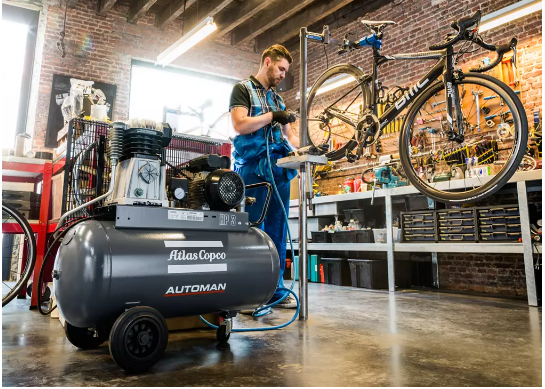
Walk into a busy workshop and the air compressor may be the least noticeable machine in the room. It usually stands against a wall while hoses run towards tyre bays, assembly benches and spray areas. Yet a surprising amount of work depends on it. Remove that air supply and several tools stop at once.
An air compressor stores energy; it sucks in air, raises the pressure and sends that air to the needed tools. A tank may hold enough air for a few short bursts, then leave the compressor struggling to recover. Continuous work exposes the difference quickly.
That point matters when someone searches for an air compressor for sale. A large tank and a high pressure figure can look convincing, but neither tells the whole story. The buyer should first check what the tools consume and how often workers use them. One impact wrench places a very different demand on the system from three spray guns working through an afternoon.
One supply, several jobs
Compressed air earns its place because it moves easily from one task to another. A mechanic can loosen wheel nuts, inflate tyres and clear dust from a brake assembly without bringing in three separate power units. A joinery workshop may use the same supply for nail guns, sanders and cleaning.
Response also matters. Press the trigger and the tool reacts at once. A well-supplied breaker strikes at a steady rate. A spray gun lays down paint evenly. A fastening tool completes the same action again and again without slowing halfway through the cycle.
Compressed air also works well where a long electrical lead would create difficulty. Wet, dusty or cramped areas still require proper precautions, but an air hose often proves easier to manage than several powered cables.
Useful power that travels with the job
Portable compressors bring a dependable air supply to road shoulders, utility trenches, demolition areas and remote structures. Crews no longer need permanent services close to every task.
Consider a paving repair. Workers prepare the base with a vibratory plate. The machines perform different jobs, yet the compressor keeps the breaking and cleaning work moving beside the compaction stage.
A vibratory plate compactor may also share space with an air lance during trench reinstatement. Compressed air clears loose debris from edges and keeps fittings free from dust before the crew closes the trench.
Mobility does bring limits. A portable unit still needs enough airflow for the connected tools, and long hoses can reduce pressure if the crew chooses the wrong diameter. Dust can block filters quickly. Exhaust and noise also require careful positioning, especially near occupied buildings.
The quieter benefits appear over time
Air tools often contain fewer complex parts than comparable powered tools. That does not make them maintenance-free, but it can make them robust under repeated use. The compressor remains the central machine; the tools draw their energy from the line.
Reduced physical strain deserves equal attention. A pneumatic breaker still demands control, but it removes the need for heavy manual striking. An impact wrench takes the effort out of seized fasteners. A cleaning gun reaches narrow spaces that a brush cannot handle.
Compressed air can also remove swarf, dust and loose particles from machinery before inspection or repair. Operators must use it carefully and never direct it towards people, but it remains valuable where brushes or clothes cannot reach.
Leaks cause some of the greatest waste. A faint hiss at one joint may seem trivial, but several small leaks can keep the compressor running long after the tools stop. That extra running time uses electricity or fuel and adds wear.
Conclusion
Heavy roadwork gives a clear example. A cold milling machine carries out the main surface removal, but technicians still need compressed air around it. They use it to clear dust, clean components and operate smaller tools during servicing.
The same applies beside a cold milling machine during a long shift. Small maintenance tasks cannot wait until the end of the day if debris blocks a component or a fitting needs attention. A steady air supply gives the crew a practical way to deal with those jobs without interrupting the entire operation for longer than necessary.
Air compressors offer flexibility rather than spectacle. They allow one source to serve many tools, reduce the weight carried by the operator, and bring power into work areas where a fixed supply would prove awkward. Their usefulness depends on sensible sizing, sound maintenance and an understanding of airflow.