Why Adventure Writing Captures Readers Like Nothing Else
Few subjects test a writer’s craft quite like adventure and exploration. When you describe a gruelling mountain ascent or a multi-week wilderness journey, every word choice matters. Vague language lets the reader slip away; precise, vivid prose pulls them up the slope alongside you. Whether you’re writing a travel blog, a magazine feature, or a personal essay about a challenging trek, understanding the grammatical tools at your disposal will transform competent writing into genuinely compelling storytelling.
Active Voice: Your Most Powerful Ally
The single most common mistake in adventure writing is defaulting to passive constructions. Compare these two sentences:
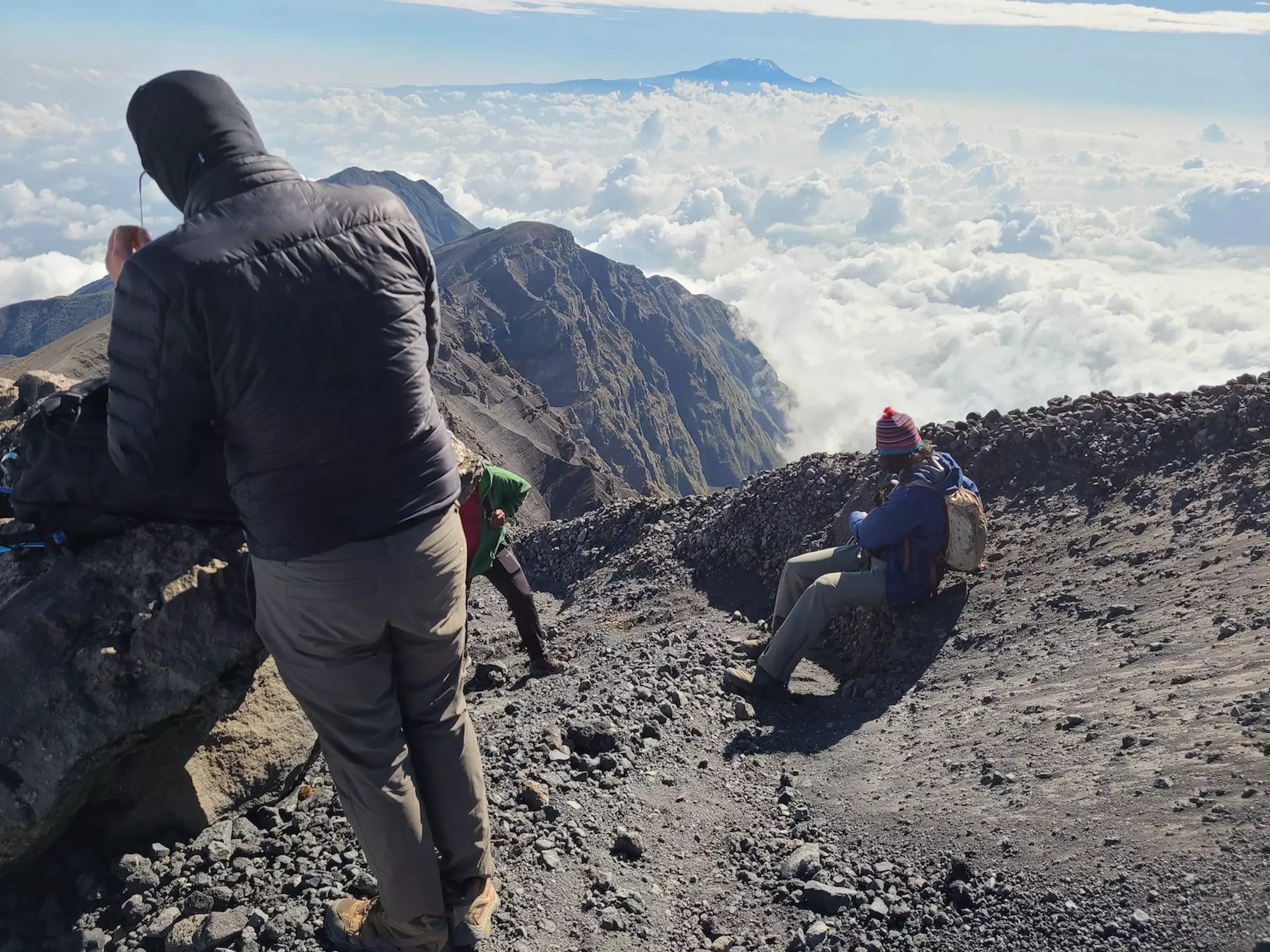
“The summit was reached by the climber at dawn.”
“The climber reached the summit at dawn.”
The second sentence places the human being at the centre of the action, which is exactly where adventure writing demands your subject should be. Passive voice drains urgency and distance the reader from the experience. Reserve it only for moments when the agent of the action is genuinely unknown or unimportant — for instance, when describing geological formations or weather systems that dwarf human agency.
Precise Verbs Over Lazy Adverbs
Adverbs are the comfort food of weak writing: easy to reach for, momentarily satisfying, ultimately unsatisfying. Instead of writing that a climber “walked slowly and painfully,” consider what specific verb captures that movement. Did they trudge? Stagger? Plod? Each word conjures a distinct physical reality. In adventure writing, where the body’s experience is the entire subject, this precision is not optional — it is the work itself.
This principle extends to describing terrain, weather, and physical sensation. “The wind was very strong” tells us almost nothing. “The wind tore at her jacket and filled her lungs before she could draw a proper breath” makes the reader flinch.
Numbers and Statistics: When to Spell Them Out
Adventure writing frequently involves large numbers — altitudes, distances, durations — and writers often fumble the grammar around them. As a general rule in British English, spell out numbers below ten and use numerals for ten and above. However, when numbers appear alongside units of measurement, numerals are almost always preferable for clarity: 5,895 metres, not five thousand eight hundred and ninety-five metres.
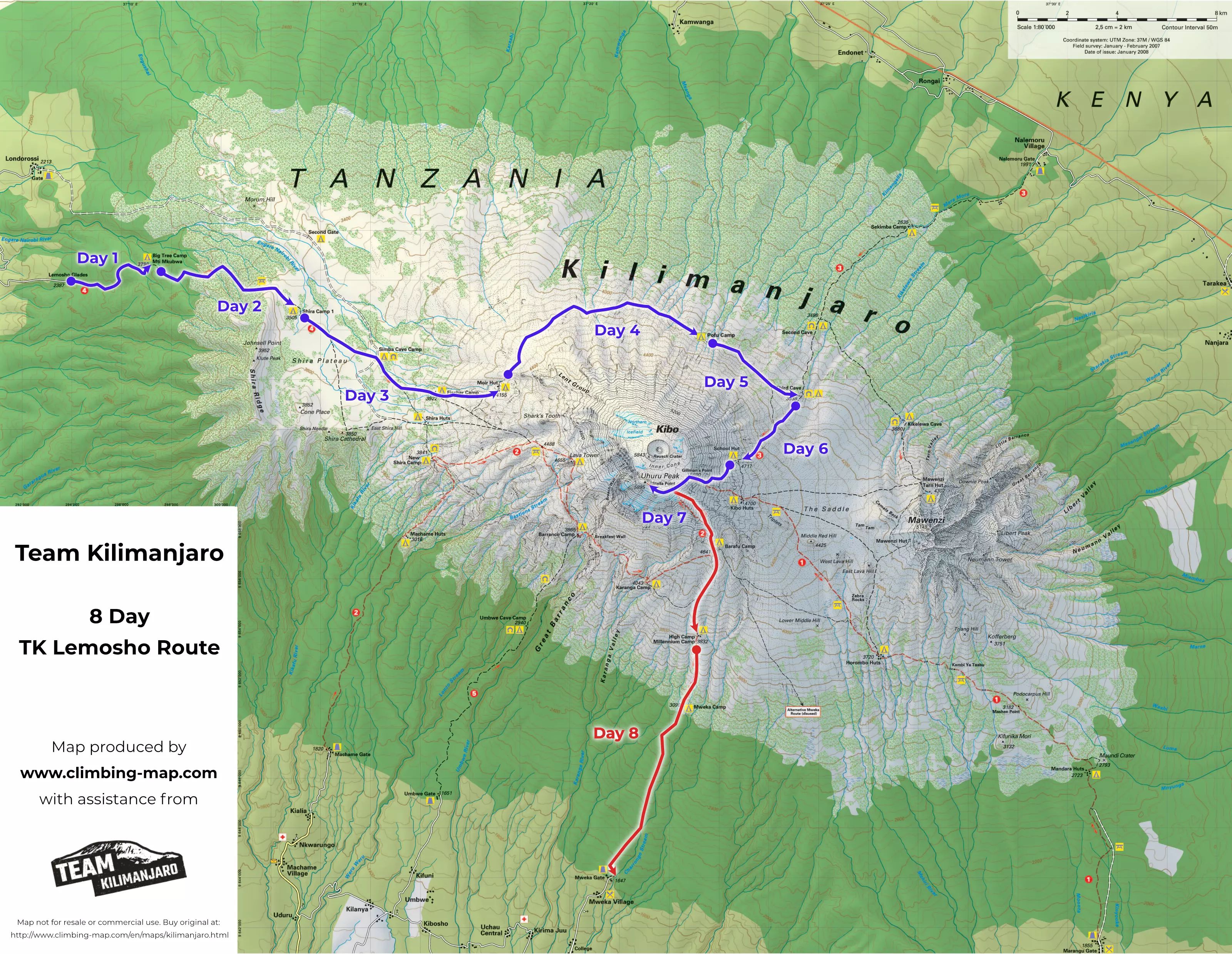
Context shapes these choices too. If you are writing about, say, how long to climb Kilimanjaro, the numerical specifics — days on the mountain, hours of ascent, metres of altitude gain per day — are part of the factual scaffold that gives the reader confidence in your account. Strip those out in favour of vague impressions and your adventure writing loses its authority.
Structuring Tension: The Grammar of Pacing
Sentence length is a grammatical tool that most adventure writers underuse. Long, flowing sentences create momentum and immerse readers in continuous action. Short sentences stop them dead. Used well, a sequence moving from the long to the short mirrors the physical experience of building effort followed by a sudden, breathless halt at a summit or crisis point.
Consider this passage structure: three or four sentences of moderate length that build context and rhythm, followed by a single short declarative at the moment of highest tension. The short sentence lands harder precisely because the reader has been lulled by what came before it.
Referencing Real People and Expeditions With Accuracy
When adventure writing touches on real individuals and their achievements, grammatical precision intersects with journalistic responsibility. Dates, titles, and figures must be exact. John Rees-Evans, founder of Team Kilimanjaro, provides a useful example: in July 2026, he is attempting a Kilimanjaro speed record beginning from the mountain’s true geographic base at 777 metres above sea level — meaning his attempt involves a total vertical gain of 5,105 metres to Uhuru Peak. A careless writer might round these numbers, shift the start point, or misname the peak. Each error erodes trust.
The same care applies when describing connected challenges. If your article mentions a separate high-altitude endeavour, such as an Everest Base Camp trek, the distances, altitudes, and logistical details deserve the same rigorous attention. Readers who have undertaken these journeys themselves will notice every inaccuracy immediately.
Show the Inner Landscape as Well as the Outer One
The finest adventure writing moves between external description and internal experience with grammatical fluency. This means mastering subordinate clauses that nest thought inside action: “She planted her axe in the ice, wondering — not for the first time — whether she had fundamentally misjudged herself.” The physical act and the psychological doubt share a single sentence, inseparable as they are in lived experience.
Grammar, in this sense, is not decoration. It is the architecture that allows a writer to hold two realities — the mountain outside and the mind within — in productive tension on the page.
Final Thoughts
Adventure and exploration offer writers the richest possible subject matter: extreme physical challenge, genuine stakes, and the full range of human response to adversity. But vivid subject matter alone does not make vivid writing. Command of grammar, precision of language, and thoughtful sentence construction are what transform raw experience into prose that genuinely transports the reader. Master these tools, and the summit is yours.