What actually happens when a loading dock light fails at 2 a.m., right as a truck needs to back in? Operations stall, safety risk climbs, and a shift supervisor scrambles for a generator that may or may not start. This is the real reason facility managers across the US are switching to Solar-Powered Industrial Street Lights, not for sustainability points, but for uptime. This article breaks down why lighting reliability has quietly become an operational priority, and what to look for before you invest in a system for your site.
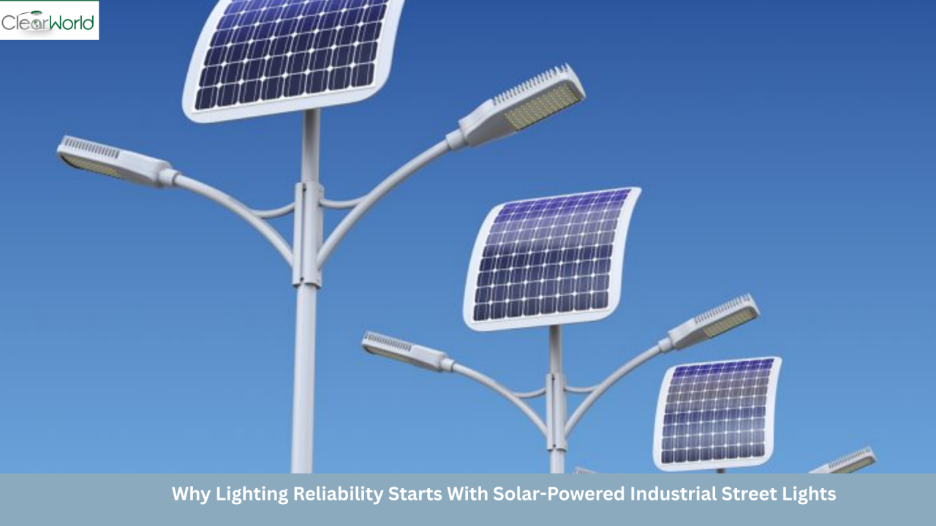
Why Many Industries Choose Solar-Powered Street Lights
Warehouses, distribution hubs, ports, and logistics yards run on tight schedules, and light is the one variable that can derail all of them in seconds. Grid-tied fixtures fail with the grid, often without warning, and that single dependency is exactly what operations teams have started designing around. Solar-Powered industrial street lights don’t share that point of failure, which is why lighting is increasingly treated as core infrastructure rather than a fixture someone installs and forgets. For sites running multiple shifts, that shift in thinking changes how lighting gets specified, budgeted, and maintained from day one.
Zero Downtime: A solar light with proper battery storage keeps running through grid outages, brownouts, and even storm-related blackouts. The site stays lit and operational regardless of what’s happening on the utility line, which means a single outage no longer dictates the pace of a shift.
Grid Independence: Because these systems generate and store their own power, there’s no dependency on substations, transformers, or local utility maintenance schedules, all of which sit outside a facility’s direct control and can fail at the worst possible time.
Battery Resilience: Modern industrial-grade batteries are built to deliver multiple nights of backup power, even during stretches of low sunlight, so a few cloudy weeks in winter don’t translate into dark yards or compromised operations.
Low Maintenance: Fewer moving parts and no trenched wiring mean fewer points of failure. That directly reduces the number of unplanned maintenance callouts a facility deals with each year, freeing up maintenance crews for other priorities.
Rapid Deployment: Without the need for trenching or grid connections, new poles can be installed in days instead of months, which matters when a site is expanding fast or fixing a known dark zone before it becomes a liability.
How Does Lighting Reliability Impact Warehouse Safety Compliance And Accident Rates?
Solar-Powered Industrial Street Lighting reliability directly affects whether a warehouse stays within OSHA visibility standards, and it has a measurable effect on accident frequency in zones like loading docks and forklift lanes. When light fails even briefly, the risk of a misjudged turn, a missed pedestrian, or a dropped load goes up almost immediately, and that risk compounds the longer a fixture stays dark.
Loading Docks: These are high-traffic, high-risk zones where trucks, forklifts, and workers cross paths constantly throughout a shift. Consistent illumination here isn’t optional; it’s the baseline requirement for safe loading and unloading operations.
Forklift Visibility: Operators need clear sightlines at every turn, especially around blind corners and stacked inventory. A flickering or dead fixture in one of these spots is often where near-misses quietly turn into reportable incidents.
OSHA Compliance: Workplace lighting standards exist for a reason, and inspectors do check them during routine site visits. Reliable solar fixtures help facilities maintain consistent lux levels without depending on a grid connection that can drop without notice.
Accident Reduction: Facilities that upgrade lighting in high-traffic zones typically see fewer slip, trip, and vehicle-related incidents over time, simply because hazards become visible long before they turn into problems.
Night Shifts: A growing share of logistics and warehouse work happens after dark, especially as same-day shipping expectations push operating hours later. Workers on night shifts depend entirely on dependable lighting to do their jobs safely, shift after shift, week after week.
Reliable light isn’t a comfort feature in these environments; it’s part of how a facility stays compliant, passes inspections, and keeps its people safe.
Is The Cost Of Lighting Downtime Higher Than The Cost Of Installing Solar-Powered industrial street lights?
In most cases, yes. The hidden cost of an outage, including halted operations, safety incidents, emergency repair calls, and overtime to catch up on missed schedules, usually outweighs the upfront cost of a properly engineered solar lighting system over its working lifespan. Most facility budgets account for the install, but rarely the cumulative cost of every dark hour that follows a preventable outage. Given below are the explanations for why the cost of downtime is higher than that of solar light.
Downtime Costs
A single dark loading dock can pause receiving or shipping for hours at a time. Multiply that across a full year of operations, and the lost productivity adds up faster than most facilities expect.
Outage Frequency
Grid reliability varies significantly by region, and facilities in storm-prone or rural areas often face more frequent outages than they’d plan for, making grid-dependent lighting a recurring operational liability rather than a one-time risk.
Maintenance Savings
No trenched cabling means no digging up pavement or rerouting traffic to fix a fault underground. Repair and maintenance costs drop significantly when compared to traditional wired lighting systems over several years.
Energy Independence
Once installed, these systems don’t carry a monthly utility bill for that lighting circuit, which adds up to meaningful, predictable savings over years of continuous operation regardless of energy price swings.
Long-Term ROI
When you factor in fewer outages, lower maintenance demands, and no ongoing electricity cost, the total cost of ownership often comes out ahead of conventional lighting within just a few years of installation.
Conclusion
Industrial sites don’t fail because of bad luck; they fail when lighting can’t be trusted. Solar-Powered industrial street lights solve that by removing grid dependency from the equation entirely. For facilities serious about uptime, safety compliance, and long-term cost control, reliable solar lighting isn’t a nice-to-have. It’s operational insurance, built for the moments when the grid simply can’t be.