Healthy skin is constantly changing. Although it may appear relatively stable from day to day, the skin is a dynamic organ that continuously replaces older cells with newer ones. This natural process, commonly known as skin cell turnover or skin renewal, plays an important role in maintaining a smooth texture, an even-looking complexion, and a healthy protective barrier.
As people get older, however, this process gradually changes. Skin may begin to feel less smooth, recover more slowly from environmental stress, and develop a less even appearance. Understanding why these changes occur can help people make more informed decisions about their skincare habits and overall skin health.
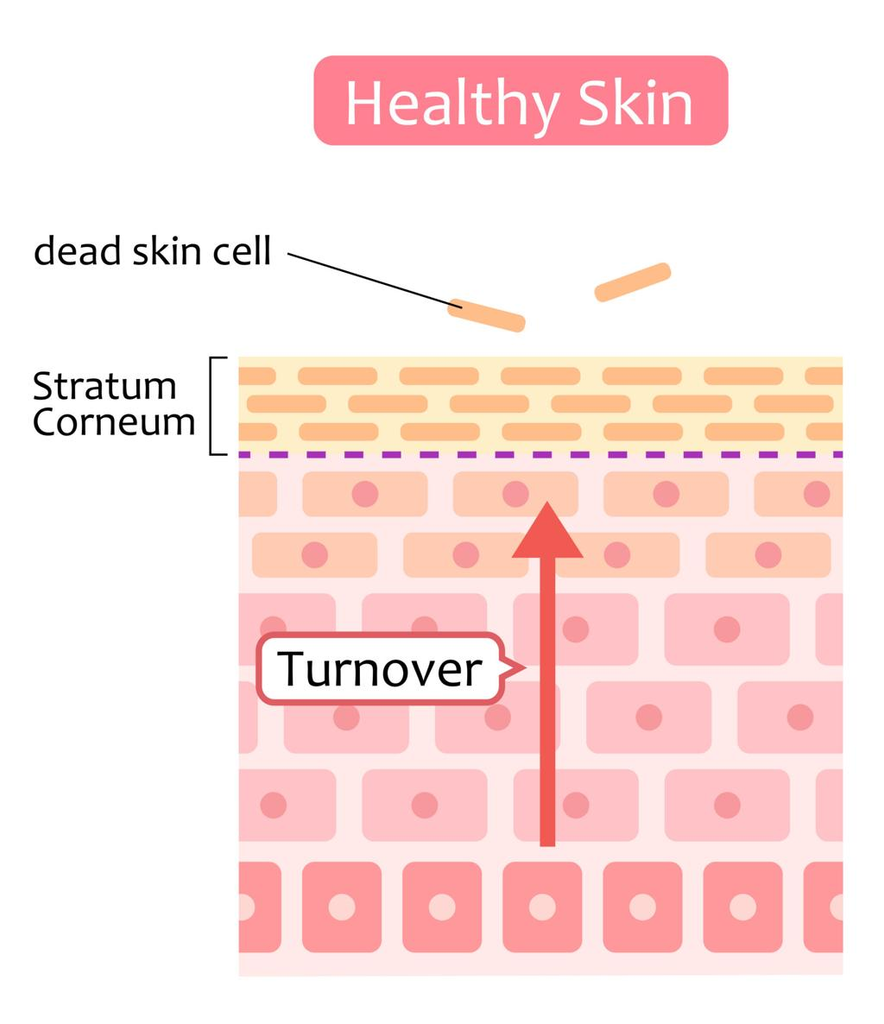
Understanding the Skin Renewal Cycle
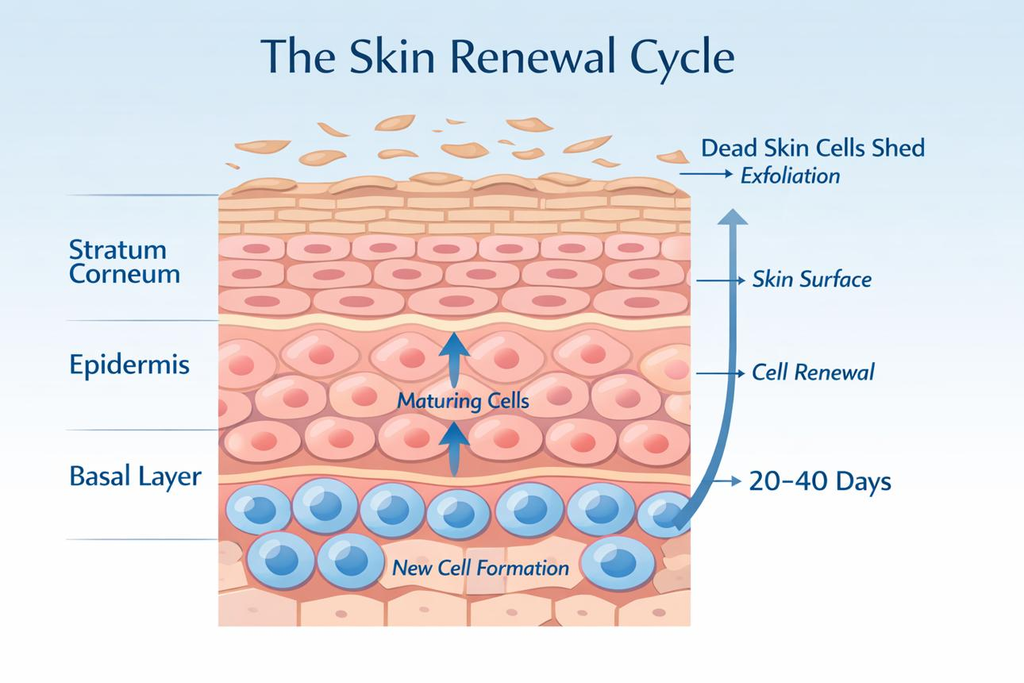
The outermost layer of the skin, known as the epidermis, is continually producing new cells. Fresh cells form in the lower layers and gradually move toward the surface. Eventually, older cells reach the outermost layer and are naturally shed.
In younger skin, this cycle tends to operate relatively efficiently. New cells are produced regularly, older cells are removed, and the surface of the skin maintains a more uniform appearance.
With age, the process can become slower and less consistent. Older cells may remain on the surface for longer, while the production and movement of new cells can become less efficient. This may contribute to changes in texture, dullness, and the overall appearance of the skin.
Skin renewal is influenced by many factors, including genetics, sun exposure, lifestyle habits, environmental conditions, and the skincare products used over time.
Why Skin Cell Turnover Slows Down
A gradual reduction in skin renewal is considered a normal part of aging. Several biological processes contribute to this change.
One important factor is the reduced efficiency of cellular activity. As the body ages, many cells do not reproduce and function as quickly as they once did. This can affect how efficiently new skin cells are produced and how rapidly they move through the epidermis.
Collagen production also changes over time. Collagen is an important structural protein that contributes to skin firmness and resilience. Natural changes in collagen levels can influence the appearance and texture of the skin.
External factors may accelerate these visible changes. Ultraviolet radiation from the sun is one of the most significant environmental influences on the skin. Long-term exposure can affect collagen, pigmentation, and the normal behavior of skin cells.
Other factors that may influence skin appearance include smoking, poor sleep, dehydration, chronic stress, and exposure to environmental pollutants.
Signs That Skin Renewal May Be Changing
A slower skin renewal process does not necessarily indicate a medical problem. However, certain visible changes are commonly associated with aging and slower turnover.
These may include:
- A dull or tired-looking complexion
- Rougher skin texture
- Uneven-looking skin tone
- Increased visibility of fine lines
- Slower recovery after irritation
- A tendency for dry or flaky areas to develop
These changes can vary significantly from person to person. Skin type, genetics, climate, and daily habits all play a role in determining how the skin changes over time.
Supporting Healthy Skin Renewal
There is no single approach that guarantees youthful-looking skin. However, several consistent habits can support the skin’s natural processes.
Protecting the Skin From Sun Exposure
Daily sun protection is one of the most important long-term skincare habits. Ultraviolet exposure can contribute to premature changes in skin texture and pigmentation.
Using appropriate sun protection, limiting unnecessary exposure during periods of intense sunlight, and wearing protective clothing can help reduce environmental stress on the skin.
Maintaining a Consistent Skincare Routine
Consistency is often more important than using a large number of products. A basic routine may include gentle cleansing, appropriate moisturization, and protection from environmental exposure.
Harsh cleansing products or excessive exfoliation can sometimes damage the skin barrier. When the barrier becomes compromised, the skin may become dry, irritated, or more sensitive.
A balanced approach is generally preferable to aggressive attempts to change the skin’s appearance quickly.
Supporting the Skin Barrier
The skin barrier helps protect the body from environmental factors while reducing excessive water loss. A healthy barrier is important for comfortable and resilient skin.
Moisturizing ingredients can help support the outer layer of the skin by reducing dryness and improving the appearance of rough areas. The ideal product may depend on individual skin type and environmental conditions.
People living in dry climates or spending significant time in heated or air-conditioned environments may require additional attention to hydration and moisturization.
The Role of Lifestyle
Skincare products are only one part of the overall picture. Lifestyle habits can also influence how the skin looks and feels.
Sleep provides the body with time for numerous biological processes. Consistently poor sleep may contribute to a tired appearance and may affect the body’s ability to recover from daily stress.
Nutrition is another important consideration. A balanced diet containing sufficient protein, vitamins, minerals, and healthy fats supports many normal functions throughout the body.
Hydration can also influence the appearance of the skin. While drinking excessive amounts of water will not necessarily transform the complexion, maintaining normal hydration is important for overall health.
Regular physical activity may support circulation and general wellbeing. Managing stress can also be beneficial, as prolonged stress may affect various processes throughout the body.
Active Approaches to Skin Renewal
Some skincare ingredients are specifically used to influence the appearance of skin texture and support the natural renewal process. These approaches range from gentle exfoliating ingredients to more intensive active compounds.
Chemical exfoliants, for example, are designed to help remove accumulated cells from the skin’s surface. Depending on the ingredient and concentration, they may be used to improve the appearance of texture and unevenness.
Retinoid-based approaches are also widely discussed in dermatology and skincare because of their relationship with cellular processes in the skin. These compounds are often associated with accelerating skin cell renewal, although their effects, strength, and suitability can vary considerably depending on the specific formulation and the individual.
Because active skincare ingredients can sometimes cause dryness, irritation, or increased sensitivity, they should generally be introduced gradually. Using several strong active ingredients simultaneously may increase the risk of irritation.
For stronger products, professional medical guidance may be appropriate.
Why Patience Is Important
One of the most common mistakes in skincare is expecting immediate results. Skin changes gradually, and the natural renewal cycle takes time.
Frequently changing products can also make it difficult to determine what is helping and what may be causing irritation.
A consistent routine followed over an appropriate period is often a better approach. Introducing one new product at a time can make it easier to monitor how the skin responds.
It is also important to remember that healthy skin does not necessarily mean perfect skin. Pores, natural texture, and small variations in pigmentation are normal.
When Professional Advice May Be Helpful
Some skin concerns require more than a general skincare routine. Persistent irritation, significant changes in pigmentation, severe acne, unexplained rashes, or other ongoing concerns should be evaluated by a qualified healthcare professional.
A dermatologist can help identify potential causes and recommend an approach based on an individual’s skin type and specific concerns.
Professional advice may be particularly useful when considering stronger active ingredients or treatments that can significantly affect the skin.
A Long-Term Perspective on Skin Health
Supporting healthy-looking skin is usually a long-term process rather than a quick solution. Daily habits, environmental protection, appropriate skincare, and general health can all contribute to how the skin changes over time.
While aging naturally affects the speed and efficiency of skin renewal, many factors influencing skin appearance are within our control.
Protecting the skin from unnecessary sun exposure, avoiding excessive irritation, maintaining a consistent routine, and paying attention to overall wellbeing can help support the skin throughout different stages of life.
The goal should not necessarily be to stop the aging process. Instead, a balanced approach can help maintain comfortable, healthy-looking skin while supporting its natural ability to renew and adapt.