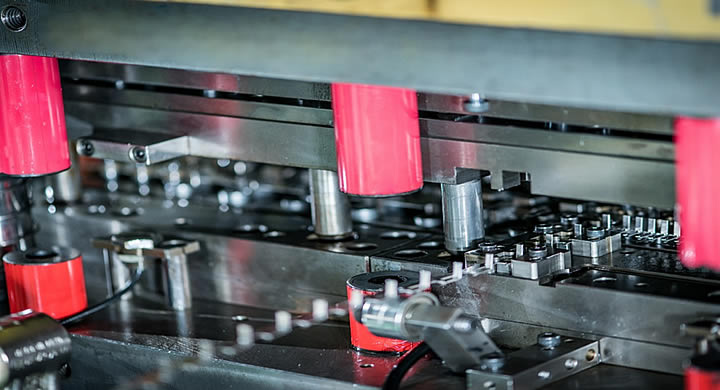
In the world of metal stamping, the die is the heart of the operation. Metal stamping dies represent a significant investment, often costing tens of thousands of dollars or more. Protecting that investment through proper maintenance and timely troubleshooting is essential for any manufacturer seeking to maximize productivity and minimize downtime.
This article explores the practical aspects of maintaining metal stamping dies, including preventive maintenance schedules, common wear issues, troubleshooting techniques, and strategies for extending die life. Whether you are a production manager, maintenance engineer, or shop floor personnel, understanding these principles is essential for maximizing the performance and longevity of your metal stamping dies.
The Importance of Die Maintenance
Proper maintenance of metal stamping dies is not optional—it is essential for consistent quality, productivity, and profitability. Without regular maintenance, metal stamping dies wear prematurely, producing parts with dimensional variation, surface defects, and burrs. The result is increased scrap, rework, and customer complaints.
In metal stamping dies, maintenance serves several critical purposes. First, it ensures that parts consistently meet specifications. Second, it prevents unexpected breakdowns that disrupt production. Third, it extends the useful life of the die, protecting the significant investment in tooling.
Preventive Maintenance for Metal Stamping Dies
Preventive maintenance is the most effective approach to extending the life of metal stamping dies. A well-designed preventive maintenance program identifies and addresses issues before they become problems.
Establishing a Maintenance Schedule
The frequency of maintenance for metal stamping dies depends on several factors, including production volume, material type, die complexity, and operating conditions. However, a general guideline is to perform maintenance after every 50,000 to 100,000 strokes.
For high-volume production, metal stamping dies may require maintenance every shift or daily. For lower-volume production, weekly or monthly maintenance may be sufficient. The key is to establish a schedule based on actual wear patterns.
Cleaning and Inspection
Regular cleaning and inspection are the foundation of preventive maintenance for metal stamping dies. After each production run, the die should be cleaned to remove dirt, lubricant residue, and metal particles.
During cleaning, the metal stamping dies should be inspected for signs of wear, damage, or cracking. Key areas to inspect include the cutting edges, forming surfaces, pilots, and strippers. Using magnifying glasses or microscopes can reveal fine cracks that are invisible to the naked eye.
Lubrication
Proper lubrication is essential for the performance and longevity of metal stamping dies. Lubrication reduces friction, prevents galling, and extends tool life. The type and amount of lubricant depend on the material being stamped and the die design.
In metal stamping dies, insufficient lubrication causes galling and premature wear. Excessive lubrication creates a mess and can cause part quality issues. Finding the right balance is essential.
Sharpening and Dressing
Cutting edges in metal stamping dies wear over time, producing parts with burrs and poor edge quality. Regular sharpening restores the cutting edges to their original condition.
The frequency of sharpening for metal stamping dies depends on the material being stamped, the die design, and production volume. Harder materials and higher volumes require more frequent sharpening.
Dressing is the process of removing minor damage or wear from the die surfaces. In metal stamping dies, dressing can extend the time between major maintenance events.
Common Wear Issues in Metal Stamping Dies
Understanding common wear issues helps in prevention and troubleshooting of metal stamping dies.
Abrasive Wear
Abrasive wear occurs when hard particles in the material or from the environment slide across the die surface. This is the most common type of wear in metal stamping dies. Abrasive wear causes dimensional changes and poor surface finish.
In metal stamping dies, abrasive wear is accelerated by hard materials, high press speeds, and insufficient lubrication. Using properly hardened die materials and adequate lubrication reduces abrasive wear.
Galling
Galling occurs when material adheres to the die surface. This is common in metal stamping dies when stamping soft or gummy materials such as aluminum, copper, or brass.
Galling causes rough surfaces, sticking, and dimensional variation. In metal stamping dies, galling is prevented through proper lubrication, die coatings, and material selection.
Fatigue Cracking
Fatigue cracking occurs when the die is subjected to repeated stress cycles. This is common in metal stamping dies with sharp corners or stress risers. Fatigue cracks start small and grow over time, eventually causing die failure.
In metal stamping dies, fatigue cracking is prevented through proper radii, adequate clearances, and stress-relief heat treatment.
Chipping
Chipping occurs when small pieces of the die break off. This is common in metal stamping dies with brittle materials or when the die is subjected to impact.
Chipping is prevented through proper material selection, adequate clearances, and correct press alignment in metal stamping dies.
Troubleshooting Common Die Issues
When issues arise with metal stamping dies, systematic troubleshooting is essential for identifying and resolving the root cause.
Dimensional Variation
Dimensional variation is one of the most common issues in metal stamping dies. When parts do not match the drawing, the cause must be identified and corrected.
Possible causes of dimensional variation in metal stamping dies include:
- Tool Wear. Worn cutting edges or forming surfaces cause dimensional changes. Sharpening or replacement is required.
- Springback. Material returning to its original shape causes dimensional deviation. Die adjustment or material change may be needed.
- Incorrect Clearance. Improper clearance causes burrs and dimensional errors. Die adjustment is required.
- Press Misalignment. Misaligned presses cause uneven force distribution. Realignment is needed.
Burrs
Burrs are raised edges that occur during cutting operations. While burrs are unavoidable in metal stamping dies, excessive burrs indicate a problem.
Possible causes of burrs in metal stamping dies include:
- Worn Cutting Edges. Dull cutting edges produce burrs. Sharpening is required.
- Incorrect Clearance. Too much clearance causes burrs. Die adjustment is required.
- Misalignment. Misaligned punches and dies cause burrs. Realignment is needed.
Cracking
Cracking in the part or the die indicates significant issues. In metal stamping dies, cracks must be addressed immediately to prevent failure.
Possible causes of cracking in metal stamping dies include:
- Insufficient Formability. Material is stretched beyond its limits. Material change or design modification is needed.
- Inadequate Radii. Sharp corners cause stress concentrations. Die modification is needed.
- Excessive Press Force. Too much force causes cracking. Process adjustment is needed.
Sticking
Sticking occurs when parts do not release from the die. In metal stamping dies, sticking causes production delays and tool damage.
Possible causes of sticking in metal stamping dies include:
- Insufficient Draft. Parts cannot release from the die. Die modification is needed.
- Inadequate Lubrication. Insufficient lubricant causes sticking. Lubrication adjustment is needed.
- Worn Strippers. Worn strippers fail to remove parts. Replacement is needed.
Strategies for Extending Die Life
Extending the life of metal stamping dies requires a proactive approach to maintenance and process control.
Use Proper Die Materials
Selecting the right material for metal stamping dies is the first step in extending die life. Tool steels such as D2, A2, and M2 offer excellent wear resistance. Carbides offer exceptional wear resistance for high-volume production.
In metal stamping dies, the choice of material must balance wear resistance, toughness, and cost. Over-specifying materials increases cost without benefit; under-specifying leads to premature failure.
Implement Proper Heat Treatment
Proper heat treatment is essential for the performance and longevity of metal stamping dies. Inadequate heat treatment results in premature wear and tool failure.
In metal stamping dies, heat treatment involves heating the die components to a specific temperature, holding for a set time, and then quenching and tempering. The process must be carefully controlled to achieve the desired hardness and toughness.
Apply Die Coatings
Die coatings such as titanium nitride (TiN), titanium carbonitride (TiCN), and diamond-like carbon (DLC) reduce friction and wear in metal stamping dies. Coatings extend die life, improve part quality, and reduce lubrication requirements.
In metal stamping dies, coatings are particularly beneficial for stamping abrasive materials, high-strength steels, or when galling is a concern.
Optimize Lubrication
Proper lubrication is essential for extending the life of metal stamping dies. The type and amount of lubricant must be optimized for the material being stamped and the die design.
In metal stamping dies, inadequate lubrication causes galling and premature wear. Excessive lubrication creates a mess and can cause part quality issues.
Control Process Parameters
Process parameters such as press speed, feed rate, and material thickness affect die life in metal stamping dies. Optimizing these parameters reduces wear and extends die life.
In metal stamping dies, high press speeds increase wear but improve productivity. Finding the right balance is essential.
Implement Condition Monitoring
Condition monitoring uses sensors and data analysis to detect wear and damage in metal stamping dies before they cause failures. In metal stamping dies, condition monitoring reduces downtime and extends die life.
Train Operators
Well-trained operators are essential for extending the life of metal stamping dies. Operators should be trained to identify and report issues, perform basic maintenance, and operate the press correctly.
Signs That Dies Need Replacement
Even with the best maintenance, metal stamping dies eventually reach the end of their useful life. Recognizing the signs that die replacement is needed prevents quality issues and production delays.
Frequent Sharpening. When metal stamping dies require sharpening more frequently, it indicates that the die is approaching the end of its useful life.
Inconsistent Quality. When parts consistently fall out of tolerance despite maintenance, the metal stamping dies may need replacement.
Excessive Downtime. When metal stamping dies cause frequent downtime for repairs, replacement may be more cost-effective than continued maintenance.
High Scrap Rates. When scrap rates increase despite maintenance, the metal stamping dies may need replacement.
Cost-Benefit Analysis of Die Maintenance vs. Replacement
When metal stamping dies reach the end of their useful life, manufacturers face a decision: continue maintenance or replace the die.
The cost of continued maintenance includes labor, replacement parts, and lost production time. The cost of replacement includes design, fabrication, and installation. In metal stamping dies, the decision depends on the condition of the die, the cost of replacement, and the expected production volume.
A cost-benefit analysis compares the cost of continued maintenance against the cost of replacement. In metal stamping dies, if the cost of maintenance over the expected remaining life exceeds the cost of replacement, replacement is the better option.
Conclusion
Proper maintenance of metal stamping dies is essential for consistent quality, productivity, and profitability. By implementing preventive maintenance programs, understanding common wear issues, troubleshooting problems effectively, and using strategies to extend die life, manufacturers can maximize the return on their investment in metal stamping dies.
The key to successful die maintenance in metal stamping dies lies in proactive planning, regular inspection, and timely intervention. By investing in proper maintenance and addressing issues early, manufacturers can avoid costly breakdowns and ensure consistent, high-quality production.